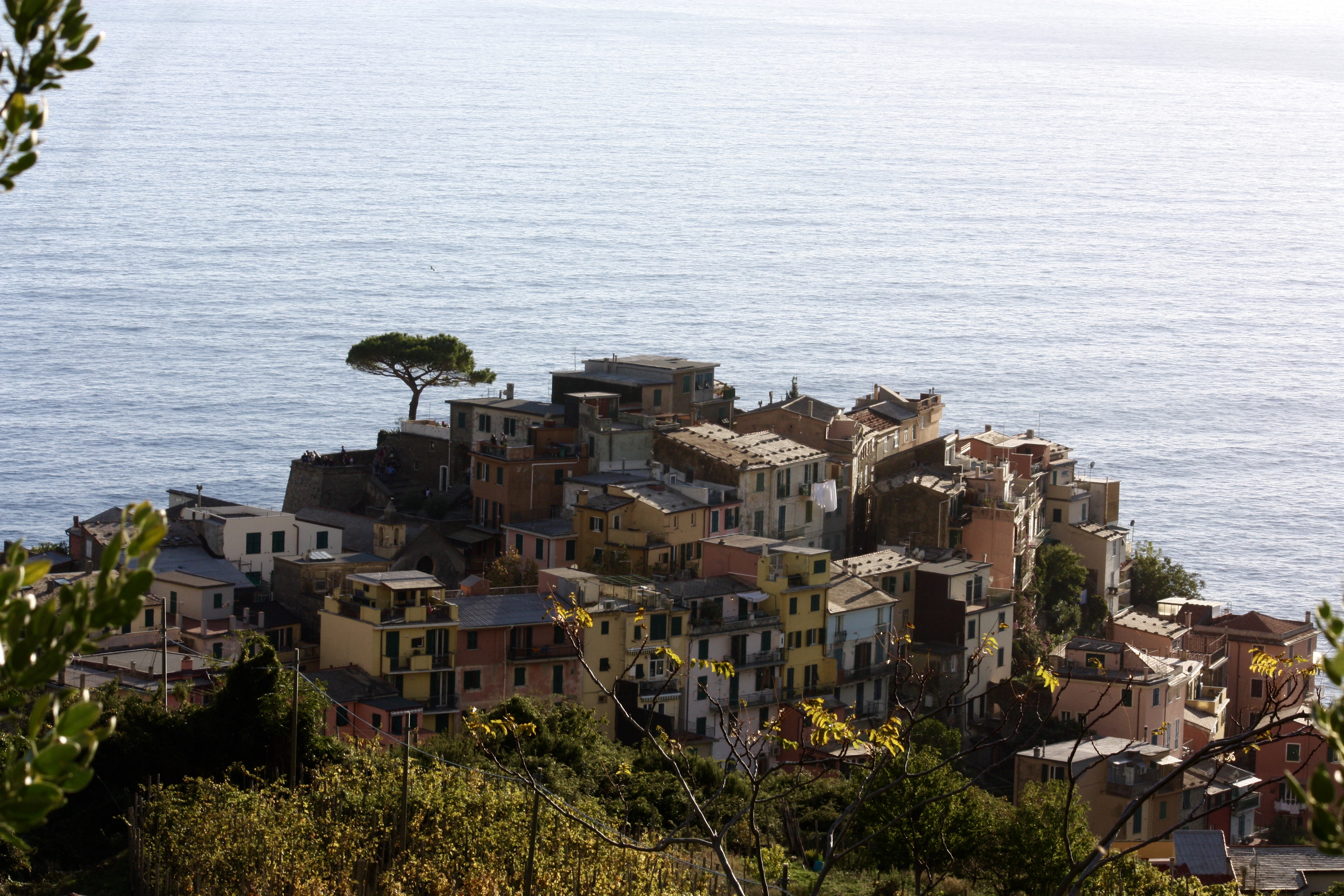
Corniglia, Cinque Terre
Surprise! I was not expecting much from the smallest of the Cinque Terre villages, and the most remote from the sea. Set on top of a mountain, it was necessary to climb about 300 steps to reach it from the train station. Steep steps — and lots of them — have become a way of life for Martin and I. It’s the price one pays for stunning views and plates of pasta.
The rewards: Fresh morning breeze, glimpses of sea glistening with golden sunshine, and . . . Corniglia, a charming place.
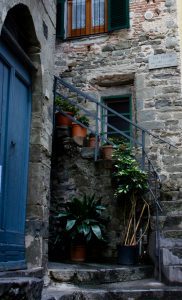
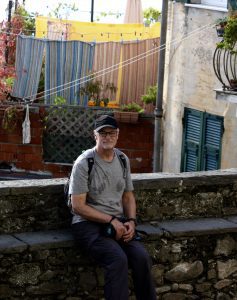
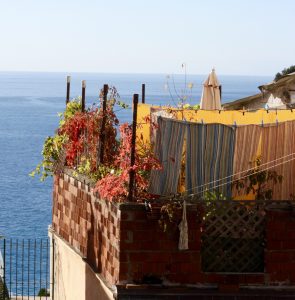
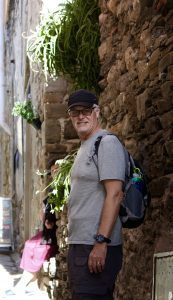
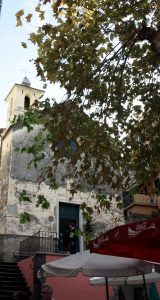



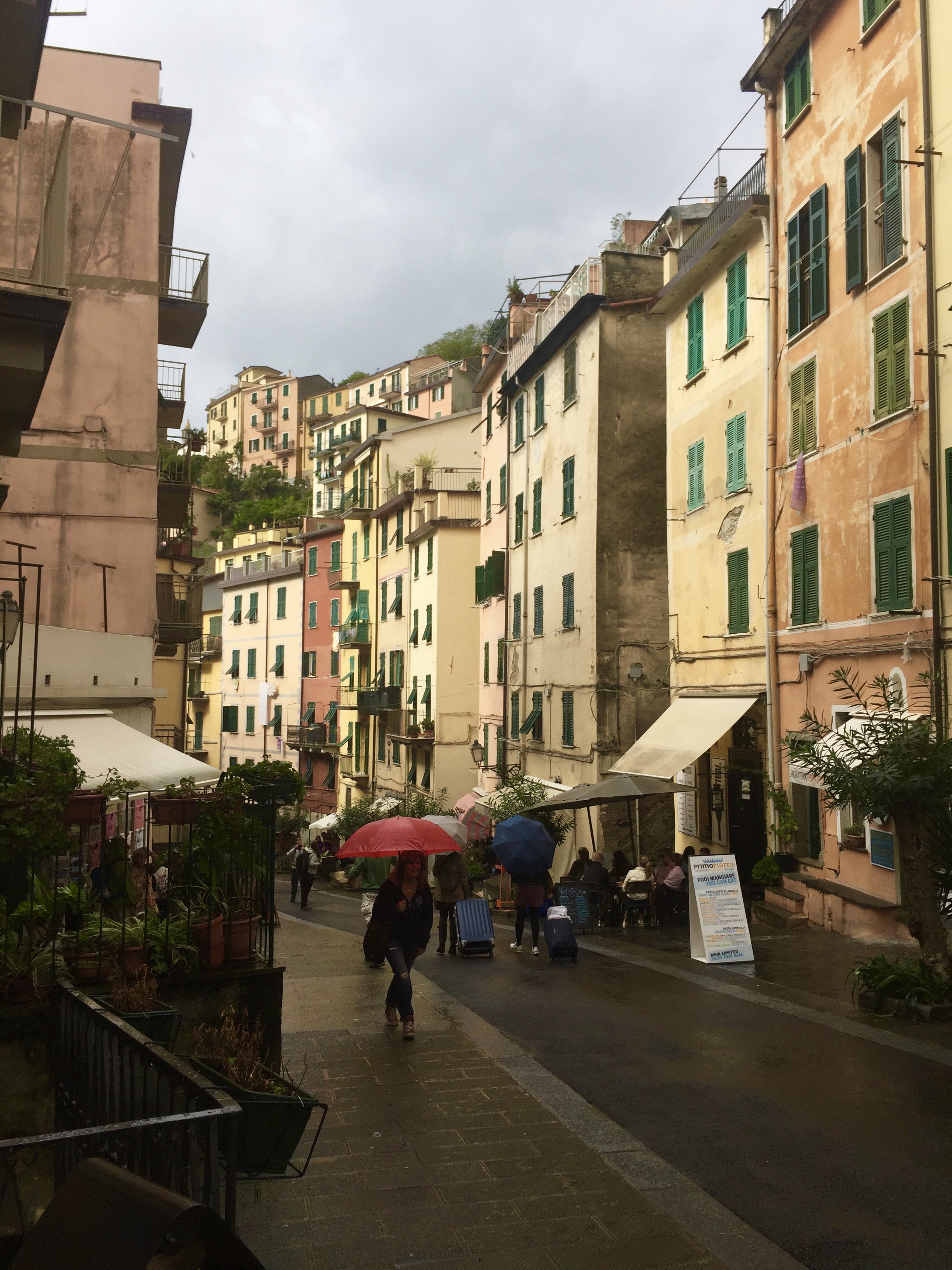
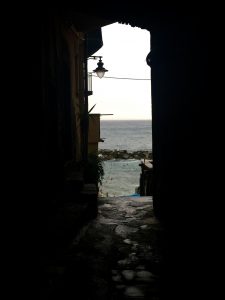 The tremendous storm of the day before was clearing. Martin and I ventured out to explore our village, all drenched and drippy, but shaking itself off and coming to life. The water seeped into the cracks in the stone walls of our seventeenth-century house, feeding ferns and moss. Sun peeked through patches of blue overhead.
 We discovered that the street was indeed a river of water. We could hear it all around us. However, we could not see it. It flowed beneath the main street of the village. Ancient drains from all sides, supported by stone-built arches, fed the contained rage of the water under our feet. We could hear it roar from beneath the grates placed at intervals all the way down the steep street.



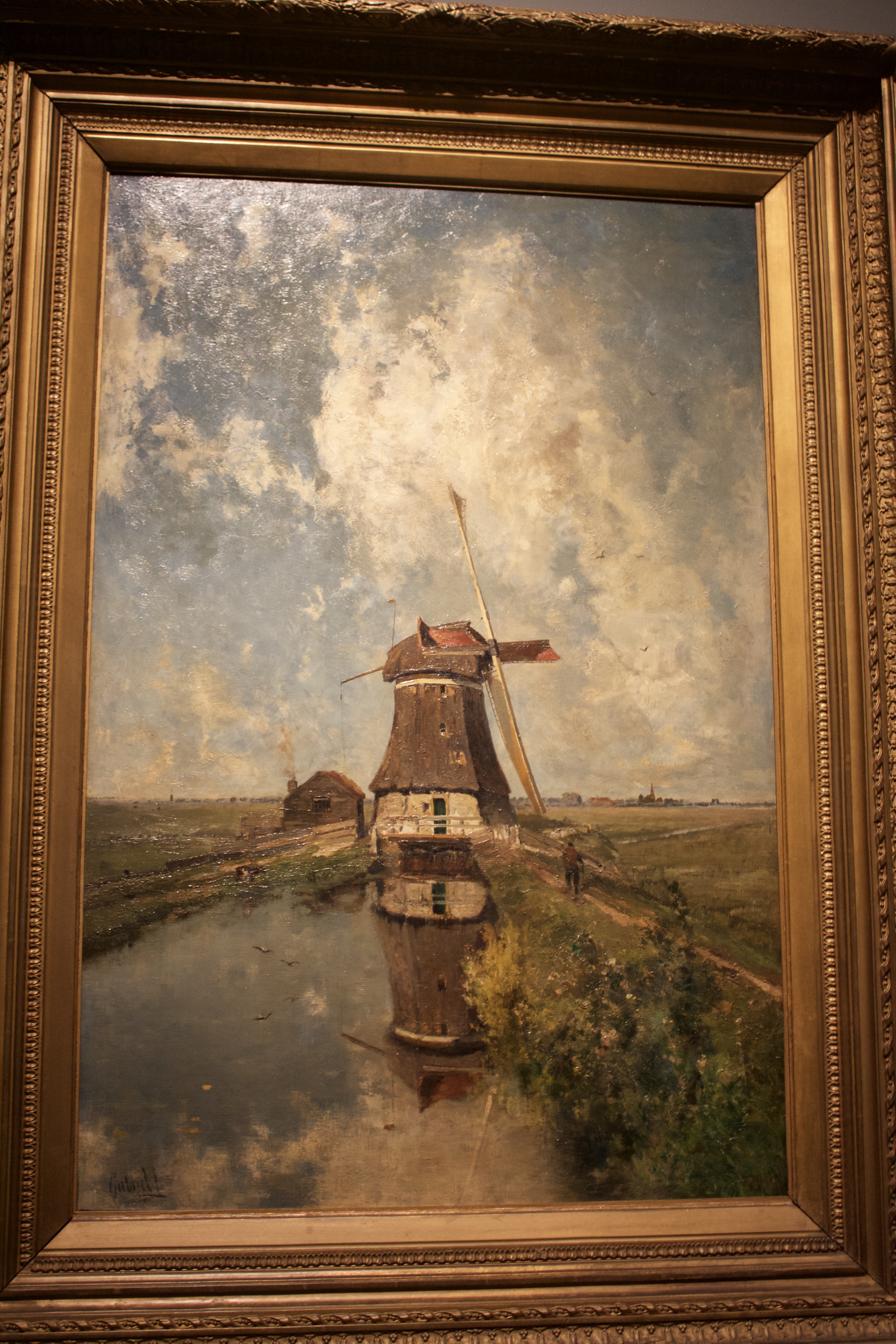
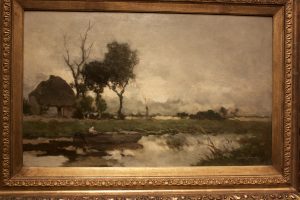
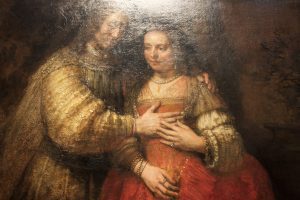 It was the golden age of Amsterdam, the 18th century, and painters were learning to capture light and create composition. Today was a golden day: Hours spent at the Rijks Museum soaking up the magic created by the brush.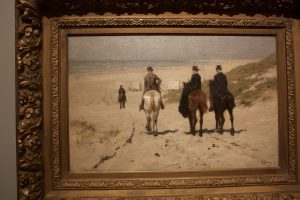
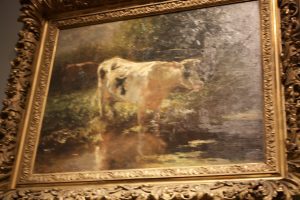 The common, simple subject of a cow, caught aglow in the afternoon light.