Adventures in the Mountains Surrounding Annecy, France
September 21 – 29, 2016
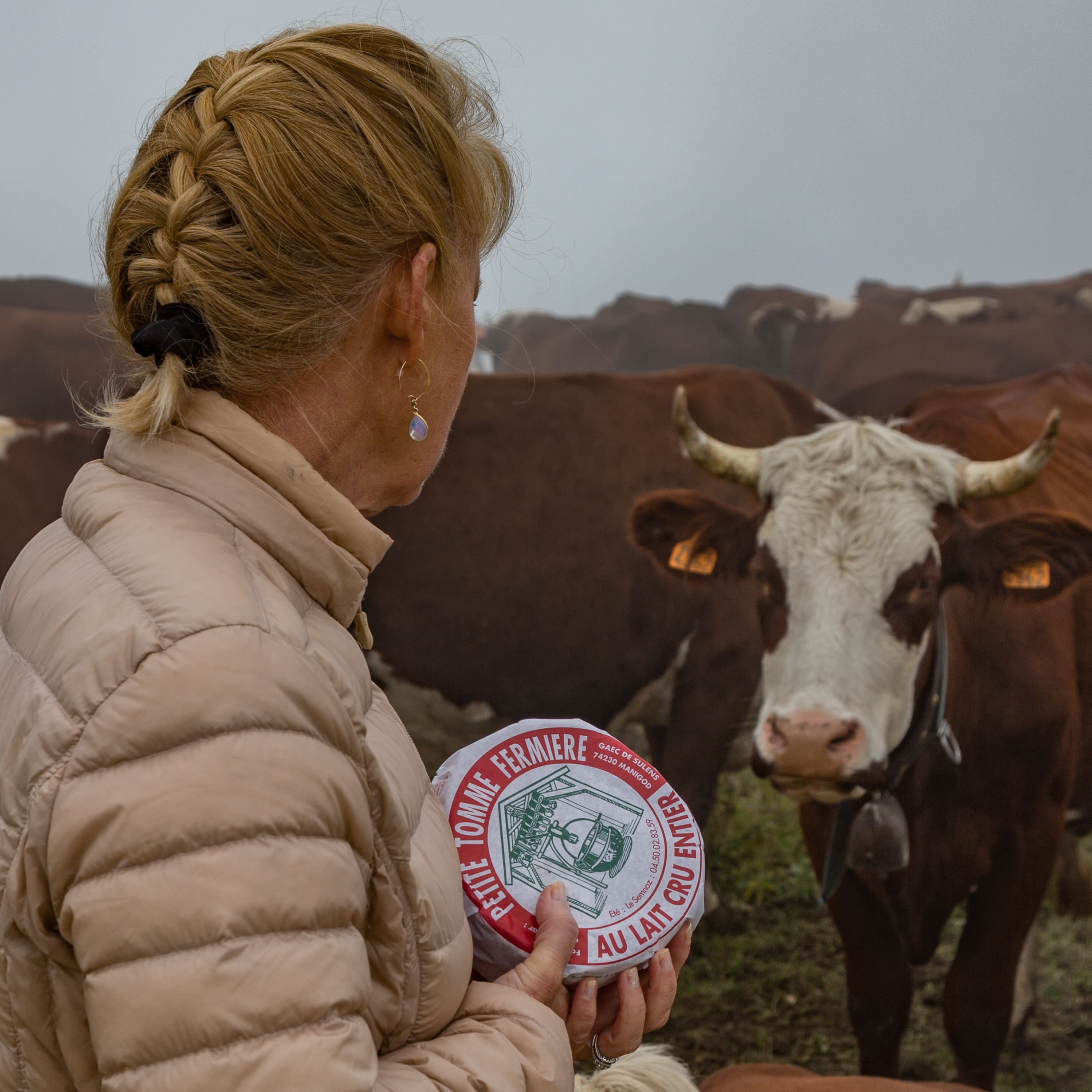
I love cows. The cows in the Haute Savoie region are the most contented cows I have ever seen. And when I see fat, happy cows grazing on verdant pastureland, I develop an overwhelming desire for cheese. This desire led Martin and I to several adventures, which may evoke for you both a compulsion for cheese, and a cure.
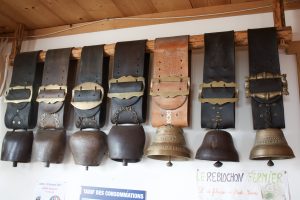 First on the shopping list was Roblechon, a delightful, mild cheese produced only in the mountains of Col de Forclaz. On the lush slopes surrounding La Ferme in Montmin, cows graze leisurely, each cow with a different sized bell, contributing to the alpine orchestra. I purchased two Roblechon rounds, plus a Chevrotin for good measure.
 Next, we drove up to Semnoz, which is the highest mountain surrounding the lake. We wound our way through drifting, thick clouds. Near the top, the road ended and our hike began. Dense clouds were descending. We could see only a few feet ahead of us on the gravel road . We knew, by their bells, that there were cows on both sides of us, so close we could hear them breathing in the fog, but they were invisible. Cows in the clouds.
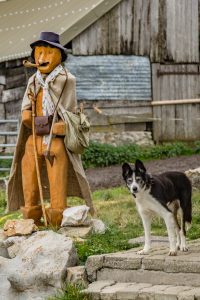 Slowly, a farmhouse appeared in the mist, with a sign promising local Tome cheese for sale. Entering the farmyard, there appeared a tall man with a straw hat and a pipe, toting a gun. He didn’t move. A chained dog growled. An unchained dog barked vigorously. Venturing closer, it became evident that the man was a giant wooden statue. Emboldened, I rang the doorbell. A frowning farmwife answered and waved us in to the anteroom of the house, where off to the side, presses were slowly squeezing liquid from huge rounds of cheese . I was able to summon enough French vocabulary to initiate a purchase, but had no idea of how much cheese we were talking about. She brought me a whopping four-pound round of this locally produced treasure.
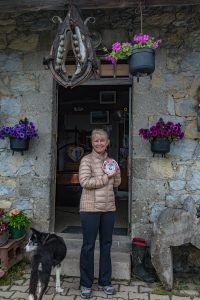 I had now acquired an impressively large sample of every cheese of the Haute Savoie region. The only challenge now was consumption. After one dinner composed almost entirely of cheese (with wine and bread, of course), less that one-eighth of one round of cheese was consumed, and we could not even look at cheese for days. We did, however, smell cheese every time we opened the refrigerator door. Our trove remained enshrined on the top shelf of the refrigerator.
The day of reckoning finally came; we were to leave for Denmark the next day. I could not abandon the goods. I decided to bring he precious load with us, to present to our hosts, Lizzy and Flemming as a grand gastronomic contribution to the coming week’s stay at the summer house. Taking a whiff, Martin was skeptical. Nevertheless, I wrapped the aromatic rounds in layer upon layer of plastic, and surreptitiously slid the goods into the outer zipper of my suitcase.
Twelve hours and two flights later, I drew out the precious cargo. I carefully wrapped it in towels, hoping it would stay cool and praying that the ripe aroma that was quickly filling the hotel room would not seep under the door and down the hotel hallway.
Next morning, the cheese had ripened into a full-blown stench. As I approached the smothered lump, doubts stirred. I was torn between loyalty to my beloved cheese, and concern that after a week of hosting us and our cheese, our hosts might never speak to us again.
It was clear that drastic measures were required. But how to dispose of the corpus? We could not deposit it anywhere in the hotel. Surely it would be tracked and linked to those Americans with the guilty eyes. We must get it out of the hotel. Opening the door a crack to see if anyone was within smelling distance, we quickly exited the room. We dodged into the elevator, lugging the lumpy, reeking sack. Anyone immediately entering the elevator would surely suspect foul play of some sort. We had to get out fast. We emerged from the elevator in a cloud of fumes and strode across the lobby. The door opened with a welcome blast of frigid Danish wind. We dashed across the street to the sweet little Aalborg airport. Without breaking stride, I deftly deposited the remains in a trash bin near the airport arrivals door. The dastardly deed was done.
Within an hour, Lizzy and Flemming had picked us up and hoisted our bags into the car. They seemed not to notice any lingering evidence of our cheesy exploits. Soon we were on the road to the Blokhus summer house. First stop along the way was — yes — the cheese store.



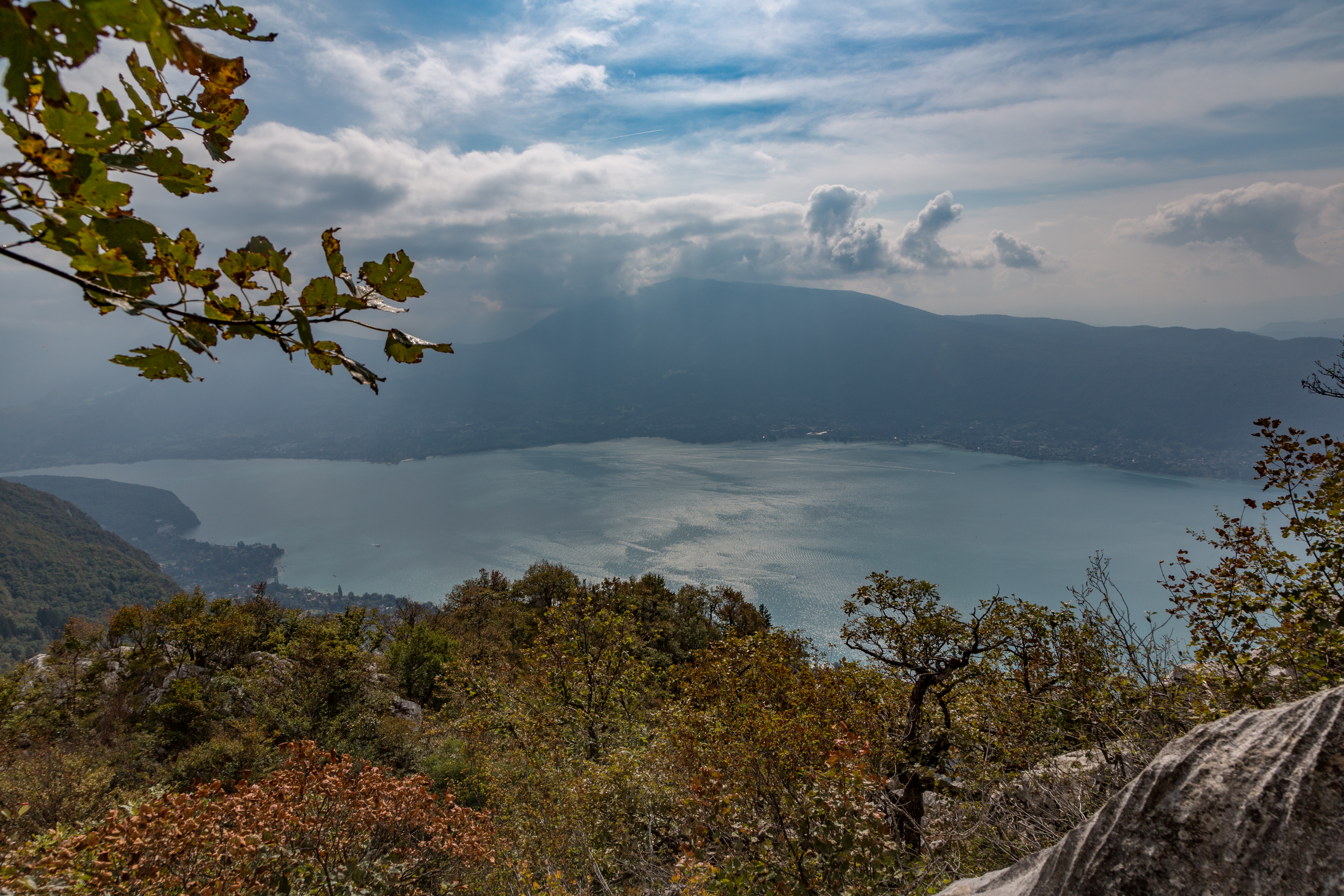
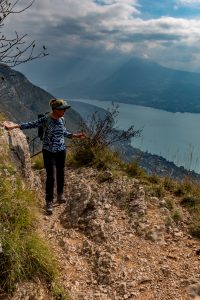 When we reached the sheer granite face, we grabbed onto wire ropes imbedded in the rock as our feet found rock footholds.
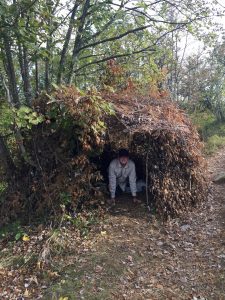
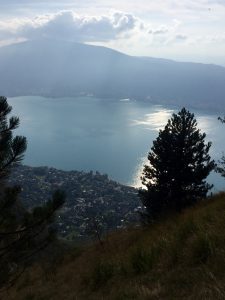 Mais oui! We couldn’t walk up or down stairs without loud and vehement complaint for three whole days. And, we were asking ourselves, “Why do we keep doing this to ourselves? Are we insane?” Mais out! And we would do it again. It was a wonderful day. One of our best days!


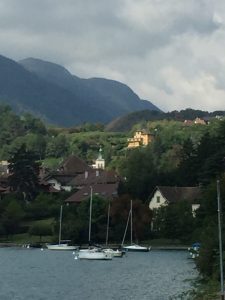
 Entranced, we continued on. At times, we were riding so close to the water’s edge, it felt like we were skimming the water. At other times, we rode through quaint villages or green pastureland. At the far southern end of the lake was a wildlife preserve with marshes and reeds and nesting water birds. I was in heaven.

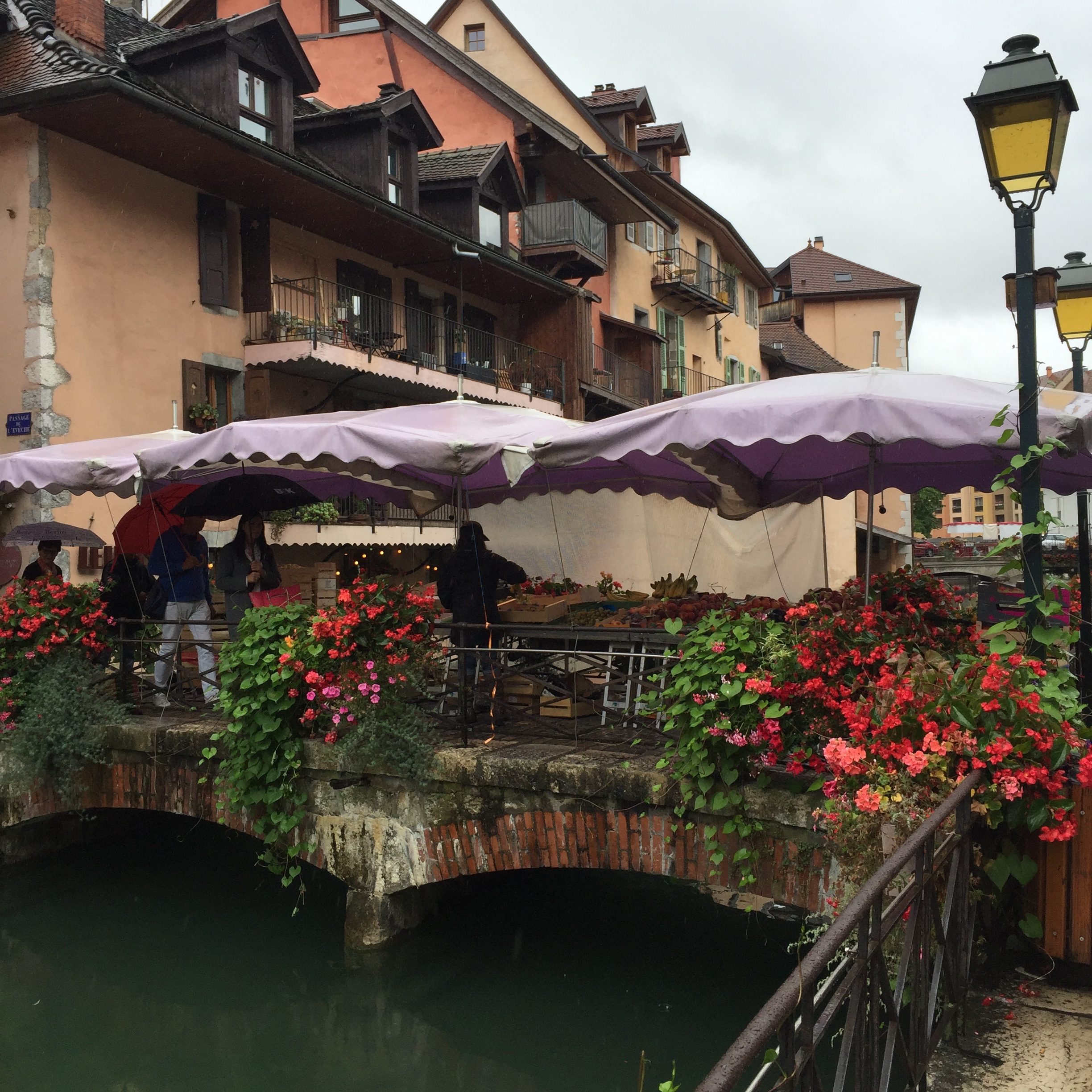






 You will here have my impressions, gathered in just under a week, living on Albert Cuyp Straat, Amsterdam. Amidst the Netherland’s busiest market and purportedly also Europe’s largest daytime market, a new world of sights and sounds awaits. Martin and I arrived on Sunday and found our new abode — on a long avenue named after a seventeenth-century Dutch painter. The Dutch painters of this Golden Age loved depicting scenes of common peasant life, and so the ideals of our Albert Cuyp would have been put to the test. The astonishing urban version played out on his street.
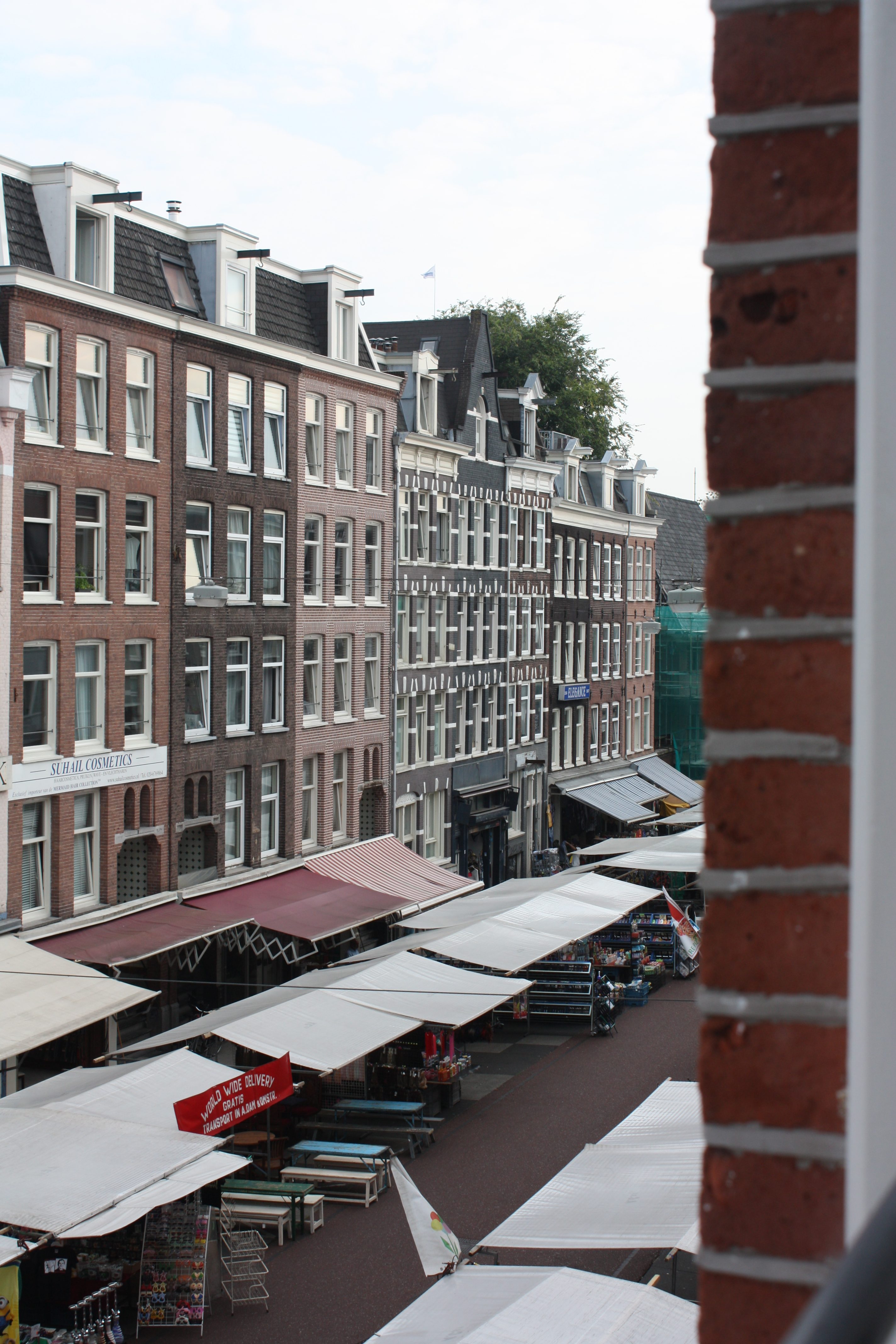
 Looking up above the ground floor, one sees uniform, five-story brick houses, each one fitted with three floor-to-ceiling, white-framed windows on each level. The rooftops create a harmonious and attractive skyline, with red-tiled pitched roofs and attic windows facing the street. Lowering one’s gaze reveals ground-level storefronts with metal roll-down garage-type doors painted with a wild mix of store names and graffiti. In between were steep, narrow, half-flight stairs leading to plain black doors. One of them was ours. The door opened onto flights of stairs only three inches wider than our suitcases. It required a logistical analysis to figure out how to keep the door open long enough to get a suitcase onto the staircase. One person could hold the door open, but then bodily blocked the staircase. One case could get in, but then there was the matter of the other one. Baffled, we began our accent. On the third floor, we landed in our Airbnb rented flat. It was renovated and simply furnished with modern accoutrements. Cleverly utilizing the confined space, the kitchen was the hallway. The bathroom was also the shower. To prevent claustrophobia while peeing in the small closet-turned toilet, the door was made of opaque glass. The bedroom was literally for a bed only. Our clothes had to find a home behind the couch. Nevertheless, this was home. The couch was comfortable and modern, and there was a nice balcony door in the bedroom. It wasn’t raining. A bottle of Pinot Grigio awaited us in the refrigerator. We would be able to cook homey meals – and, the market was at our feet.
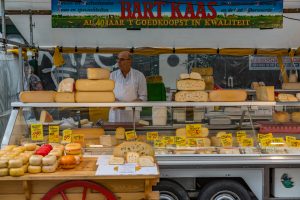 Starting at six o-clock the next morning, a crew began hauling out the poles, tarps and boards and landing them on the streets with huge thuds and thwacks and curses. As the tents were erected and the stall tables were constructed, and the 150 stalls along the street were assembled, I watched from my third-story window in fascination. First of all the garage lifted on the “Hair Extensions” shop. After rolling out their wares, including pony tails of every shade on the planet, three adults and two children sat out on the street and had coffee. Next, the bedding textile shop rolled out the goods. Expecting a typical Californian farmer’s market, it seemed to take forever for the stalls to fill. Finally, by about 10:00, the shops had all rolled up
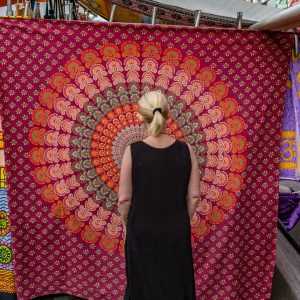
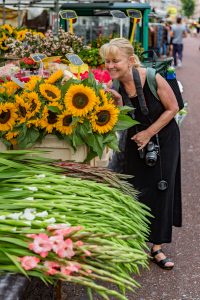
  their doors, the merchandise was draped, hung, spread, iced, cooked and stacked. Market was ready. Slowly the streets filled. You could do anything here, and do it cheaper than anywhere in the city. Eat Moroccan food, select your whole fresh fish on ice, purchase fresh vegetables and oven-warm bread, get your authentic Dutch stroop waffles and acquire any spice from throughout the world. Dress your entire family — shoes, bra, jeans, cocktail dress, children’s pants, ethnic print skirts, hats, bags. Furnish your house with bedding and towels, bowls and pots, even washing machines were hauled out onto the street for sale.
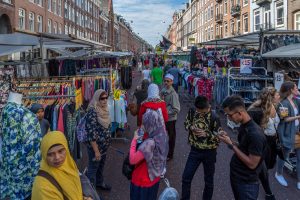 In late afternoon, the vendors start packing up, rolling their clothing racks down the street, pushing their racks into their stores, stowing their boxes of unsold food and goods into trucks. The tents some down, the tables are stacked and hauled away. By five o’clock, it was all over — the trash, that is. Boxes, paper plates, lettuce, squished berries, remnants of the day’s economic progress. Gone was the fish stall, only the odor of fish and some melting ice remained. Four egrets strutted in confused circles, as if to say, “I know there must be fish here, I can smell them, I know, surely I will find them.” The poor things, driven by instinct, just couldn’t leave. On the opposite corner, a bent woman
  picked through the heap of discarded produce, gleaning more productively. At the Moroccan restaurant, people sat at the outdoor tables three feet away from three feet of trash, oblivious to anything but the delicious aroma from their plates. Turn the corner, and the smell follows, but undeterred, the people start gathering and sipping at the outdoor cafes. We walk far enough away to escape the olfactory remembrances of the market day and join them.
